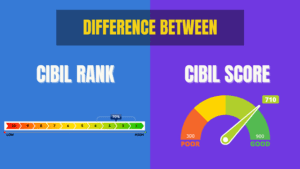

If you ever wondered what the difference between credit score and CIBIL score, we are here to guide you with our knowledge and experience about that, which mayguide you to understandthe difference between credit score and CIBIL score.
➤ Understanding Credit Scores:
A credit score is a value that describes your creditworthiness as a borrower. Lenders check the risk associated with lending a new credit facility to a borrower by checking their credit score, which rangesbetween 300 to 900.Mostly, it is considered that the higher your credit score, the more eligible you are fornew credit applications.
➤ Different factors impact determining a credit score:
1. Payment History: How often you make a timely payment compared to having a default.
2.Credit Utilization Rate: How much of your available credit you are currently using.
3.Credit History Length: How old your credit accounts are.
4.Variety of Credit Facilities: Try to availmore variety of credit facilities you have, such as credit cards, personal loans, gold loans, housing loans, consumer loans, and so on.
5.New Credit Applications: Number of recently opened credit accounts and Inquiries.
Other scoring algorithms and models are also used in different countries are widespread, such as FICO and Vantage Score.

➤ What is CIBIL Score?
CIBI is one of the leading credit bureaus present in India. CIBIL score is a unique type of credit score that is updated and assessed by the scoring model & algorithms of CIBIL.
In easy terms, CIBIL Score is the most popular credit score that is widely checked by a financial institution while applying for a loan or credit card.
Similar to other credit scores, the CIBIL score ranges from 300 to 900. Hereby, it is considered that the higher your CIBIL score is, the better you are eligible for new credits.
➤ The factors that affect your CIBIL score are almost same as credit scores:
1. Payment Record: Payment history and payment behaviour can positively or negatively influence your score. Defaults will damage your score, while on time payment can boost your credit score very effectively.
2. Credit Utilization Ratio: The credit utilization ratio plays a crucial role in your credit scoring, so you should maintainthat under 30%.
3. Credit Length: The longer the credit history, the better.
4. Credit Mix: Using various types of credit facilities may benefit your score.
5. Recent Inquiries: Multiple inquiries in a short span of time can be suspicious.
➤ Major Difference Between Credit Score and CIBIL Score:
There are few differences between a Credit Score and a CIBIL Score, which cannot be used interchangeably. So, it will be an advantage for you if you know the difference between credit score and CIBIL score.
1. Geographical Relevance:
The only significant differentiating factor is region. CIBIL score from India is only applicable within Indian region, while general credit scores can be checked in any other country.
Which credit scoring metric will be checked depends on the country you’re living. This factor creates a huge difference between credit score and CIBIL score.
2. Calculation and Models:
Other credit scores can be calculated through different scoring models such as FICO, Vantage Score and other models. But CIBIL score is calculated on the scoring models and algorithms of CIBIL.
So, the lenders might want to look at the other side of your credit score, as there are a lot of difference between credit score and CIBIL score.
3. Score Range:
We see here that both the scores range from 300 to 900, but the same is not the case for financial institutions.
A good credit score in India is taken to be above 750 in CIBIL, although the qualifying criteria for a good credit score in other countries or in other credit bureauscan differ, which is the major difference between credit score and CIBIL score.
4. Reporting Agencies:
What are the credit bureaus that provide these scores? It can be checked from any of the credit bureaus like – Experian, TransUnion, Equifax, or CRIF Highmark.
In India, the main bureaus would be CIBIL, along with Equifax, Experian, and CRIF High Mark. Each of these credit bureaus creates a difference between credit score and CIBIL score, on the basis of data they have and also according to their various algorithms.
That is why we find huge difference between credit score and CIBIL score.
5. Purpose:
All though there are difference between credit score and CIBIL score, but both CIBIL score & credit score provide almost the same valueto determine your financial ability and credit worthiness.
Still, different lenders look for different data, so you may need to know which credit score they will consider the most.
For example, Indian banks have a significant needto check CIBIL score, while other international lenders consider general credit scores by different credit bureaus.
Why is the difference between credit score and CIBIL score so Important?
The Difference Between Credit Score and CIBIL Score for lending money is a necessity for many people when buying a home, opening a credit card, or purchasing a new car. Your credit score can even determine the rate of interest you have to pay for your new credit facility. Ultimately, the higher your score, the more favourable your loan terms will be.
For example, for those living in India, CIBIL score checks can be important as well, since it makes sure that any errors that may cause a negative impact on your credit score are taken care of. They also help in improving your score too.
Tips to Keep a Good Credit Score
No matter if you want to check your credit score or CIBIL score, it’s always important to keep it healthy. These tips will help you:
1. Keep up with Your Payments: The most important aspect of your score is how consistent and on time you make your payments.
2. Use Less Than 30% of Your Available Credit Limit of Your Credit Card.
3. Mix Up Your Credit: Having some secured financing mixed in with your unsecured lines of credit is a good idea.
4. Regularly Check Your Credit report: Ensure you don’t actually have any errors.
5. Reduce New Credit Requests: Multiple inquiries in a short period can be seen as a risk by lenders.
Conclusion
Finally, anyone aspiring to boost their financial literacy needs to recognize the crucial difference between a credit score and a CIBILscore. Though they seem quite similar, there are certain unique elements, such as their regions of application, calculation methodology, and reporting agencies.
The better your score is, the better will be your financial prospects, as they will prove to be a reassuring factor when applying for loans. It is wise to be vigilant of both the scores in the days to come.
Here are some potential Q&A points about the difference between credit score and CIBIL score:
Q1: What is a credit score?
A1: Your credit score is a numeric estimate of your creditworthiness. It is calculated using your credit report with various factors like payment history, credit utilization, length of credit history, and types of credit account.
Q2. What is CIBIL score?
A2: What does a CIBIL score mean? A2: A CIBIL score is a type of credit score that is issued by Credit Information Bureau (India) Limited (CIBIL). The score lies between 300 and 900 and is derived from the borrower’s credit history by collating the data from lending organizations.
Q3: Is CIBIL score the same as a credit score or is there any difference between credit score and CIBIL score?
A3: Though both of them are used for the same purpose, to determine creditworthiness But a CIBIL score is one of the four types of credit scores used in India and in other countries, such as USA (FICO score).
Q4: Is CIBIL Score Computed Based on Similar Ratings as General Credit CIBIL Scores?
A4: Yes,CIBIL Score is calculated by the scoring models and algorithms of TransUnion, based on payment records, credit utilization, credit length, variety of credit used, recent enquiries, and so on.
Q5: Why is a CIBIL score important?
A5: You can avail any new credit facility liepersonal loan, housing loan, gold loan and credit cards in India with a better CIBIL score, just because banks and NBFCs consider a better CIBIL score as credit worthiness when providing a credit facility to you. The higher your score, the lesser the risk for banks.
Q6: How can I check my CIBIL score?
A6: Your CIBIL score can be obtained from the CIBIL official website. You may have to sign up for an account by submitting some details about yourself and your financial transactions.
Q7: How frequently can I check my CIBIL score?
A7: How many times can I check my CIBIL score? You can check your CIBIL score as many times as you want. However, if the number of lenders checking your score increases, then this can impact the score.
Q8: Will I get different credit scores from different credit reports?
A8: All the scoring methods will give different credit scores for the same individual from different bureau sources. This is likely to be the case when the data is obtained and scored using slightly different data collection or scoring algorithms.
Q9: What is considered a good CIBIL score?
A9: What is a good CIBIL score for a personal loan? The normal CIBIL score for a personal loan should ideally be 750 and above. If the score is 750 or below, you might get higher interest rates or rejection of the loan application.
Q10: How to increase my CIBIL score?
A10: What can I do to raise my CIBIL score? Ensure payment of all existing debts on time, keep outstanding credit utilization low, do not apply for a lot of loans at the same time and get your credit report checked for any errors.